
Why Does My Dog Smell Worse After a Bath?
The Wet Dog Smell Explained
What's That Smell? — A Dirty Dog Series on the Weird, Gross, and Totally Normal — Part 4
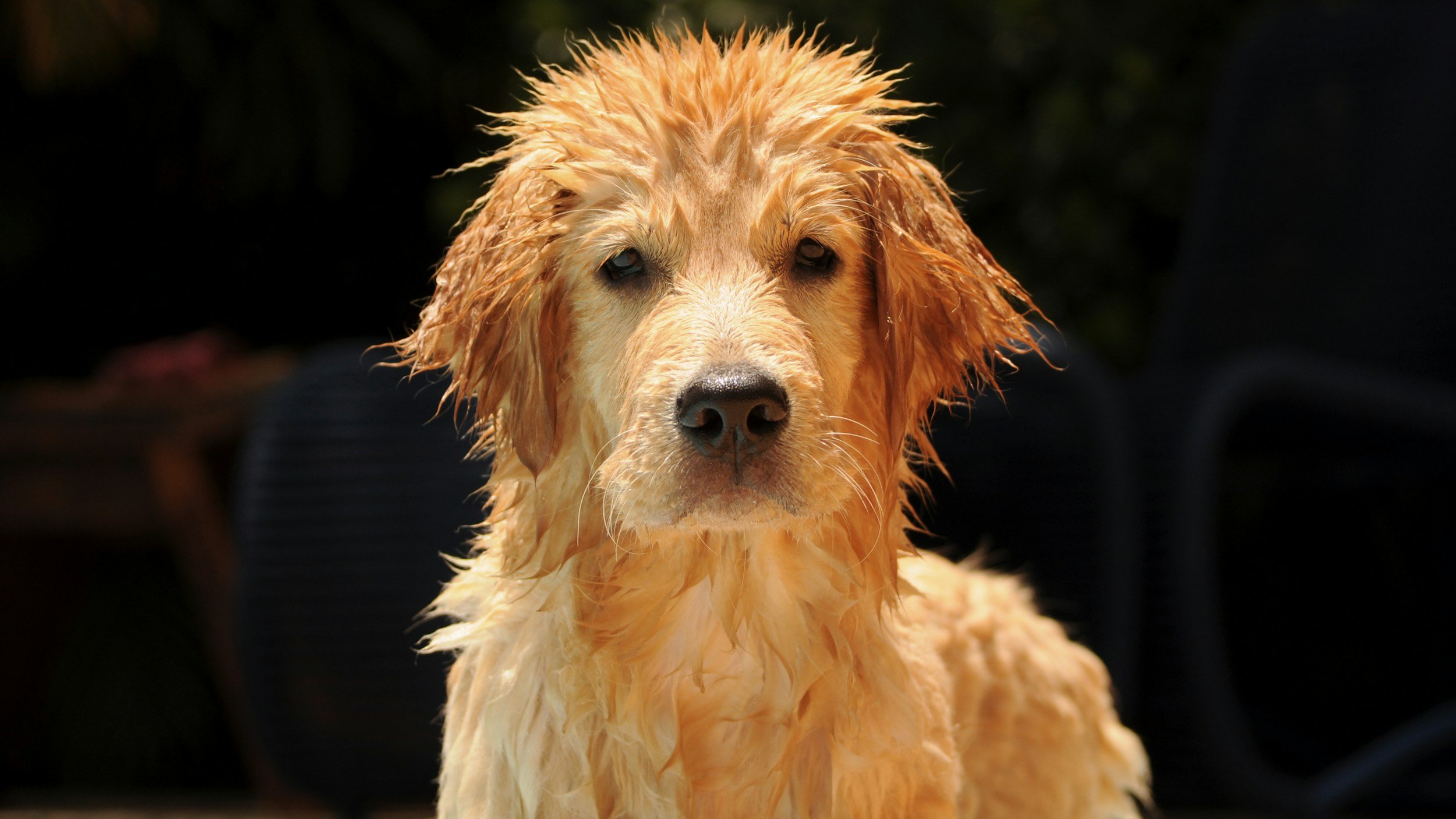
You did everything right. You got the dog in the tub, used a shampoo that smells like something pleasant, survived the whole ordeal, and then stood back feeling accomplished. And then the wet dog smell hit you like a wall and your dog looked enormously pleased with themselves.
Here's what's actually happening, and more importantly, how to fix it.
Why Wet Dogs Smell Worse Than Dry Ones
Your dog's coat and skin are home to a normal population of microorganisms — bacteria, yeast, and other compounds that coexist peacefully under ordinary circumstances. When that coat gets wet, water molecules cause those compounds to become volatile, meaning they release into the air more readily than they do when dry. That's the wet dog smell: the same microorganisms that were always there, now announcing themselves much more loudly because water gave them the opportunity.
It's not that your dog got dirtier during the bath. It's that water temporarily amplifies what was already present. The smell should fade as the coat dries, and the cleaner the dog, the faster it goes.
Why Drying Is the Actual Job
Most people think bathing is the main event and drying is an afterthought. It's really the other way around. A dog that gets towel-dried and then left to air dry — especially a dog with a thick or double coat — stays damp for a long time, and that prolonged moisture does a few unfavorable things. It gives microorganisms more time to produce odor, it can contribute to skin irritation, and in dogs prone to yeast issues it can make those worse. A dog that gets fully dried after a bath smells noticeably better, faster.
Towels help, but they can only do so much. Forced air dryers move the process along significantly because they push moisture out of the coat rather than just absorbing surface water. If you've ever noticed your dog smells better after a professional groom than after a bath at home, the drying is usually why.
What Actually Helps at Home
A few things make a real difference between a bath that works and a bath that just results in a damp, smelly dog:
Use a shampoo formulated for dogs. Human shampoos have a different pH than dog skin requires, and they can disrupt the skin's natural balance in ways that make odor worse over time.
Dry thoroughly. Get as much water out with towels as you can, then keep going. If your dog tolerates a human hair dryer, use it on a low/no heat setting and keep it moving. If they don't, give them time in a warm space and resist the urge to let them outside while still damp — wet dogs and Austin dirt are not a great combination.
Don't skip the ears. Moisture trapped in ear canals after a bath is one of the more common triggers for the yeasty ear smell we covered in Part 2 of this series. A dry cotton ball in each ear after the bath goes a long way.
The Self-Serve Shortcut
If the home bath situation is a wrestling match that ends with you wetter than the dog and the bathroom smelling like a wet Labrador, our self-serve wash stations are worth knowing about. You get a tub at the right height, professional-grade shampoo, and — the part that makes the biggest difference — a forced air dryer that gets your dog fully dry before you leave. No soaking wet dog in your car on the way home, no damp smell settling into your upholstery, no dog rolling in the backyard the moment you open the door.
Walk-ins welcome at all Dirty Dog locations.
Make the most of the time, including the bath time. A clean, dry, good-smelling dog is a dog you want to have on the couch with you — and that's kind of the whole point.