
Why Does My Dog Smell Like Fish?
The Anal Gland Explanation Nobody Warned You About
What's That Smell? — A Dirty Dog Series on the Weird, Gross, and Totally Normal — Part 3
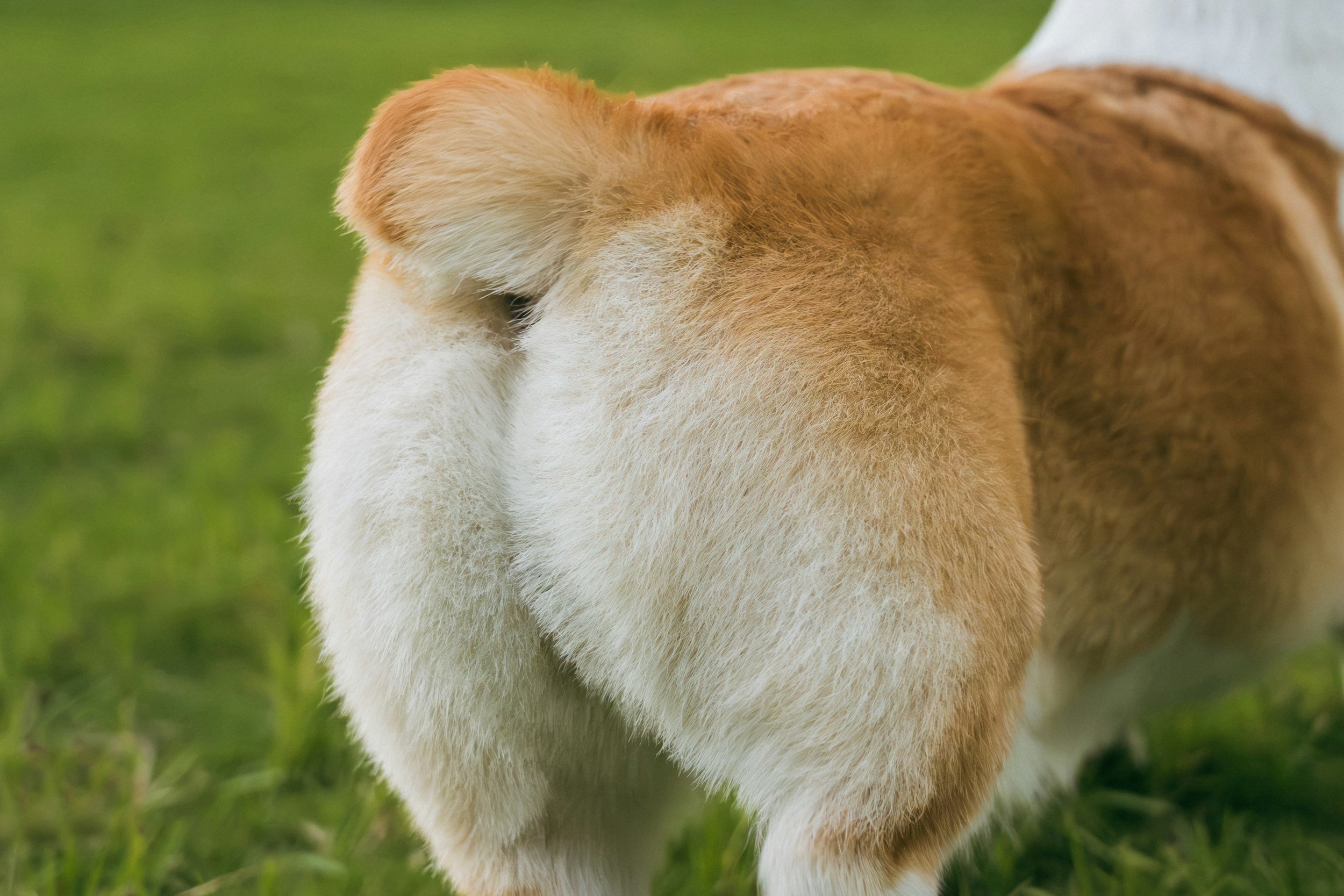
There's a moment it happens to every dog owner at some point. You're sitting on the couch, maybe watching TV, maybe having people over, and a smell arrives — fishy, faintly horrible, seemingly sourceless. You look at your dog. Your dog looks back at you with complete innocence and zero remorse.
It was not sourceless. Welcome to anal glands, the topic nobody covers in the "getting a dog" brochure, and honestly that feels like a significant oversight.
What Are Anal Glands and Why Do They Exist?
Anal glands, technically called anal sacs, are two small glands located on either side of your dog's rear end at roughly the 4 and 8 o'clock positions. They produce a pungent, oily fluid that dogs use to mark territory and communicate with other dogs, which is the reason dogs greet each other by sniffing in the least polite location possible. They're exchanging information. Very smelly information.
Under normal circumstances, the pressure of a firm bowel movement naturally expresses these glands during bathroom trips, and most owners never notice a thing. The system works quietly in the background, which is exactly what you want from a system like this.
Why Some Dogs Have More Trouble Than Others
Small dogs tend to have anal gland issues more frequently, and there's a straightforward reason: smaller dogs produce smaller stools, which don't always generate enough pressure to fully express the glands. It's a plumbing problem, basically. A large dog dropping a large stool has a much easier time of it than a Chihuahua doing the same.
Soft or loose stools create the same problem regardless of breed. If your dog has had a couple of days of digestive trouble, the glands may not have expressed properly during that time, and you might notice the results on your couch cushions shortly after. Diet, stress, a new food, a sneaky piece of trash from the backyard — anything that disrupts stool consistency can set this off.
When It Becomes a Problem
That fishy smell drifting across the living room usually means the glands expressed on their own, often triggered by stress, sudden movement, or just an unfortunate combination of positions. Not dangerous, but extremely pungent, and if it landed on fabric, it has some staying power.
The bigger concern is when glands don't empty properly and become impacted. Signs to watch for:
Scooting along the floor (which is exactly as undignified as it sounds)
Licking or biting at the base of the tail
A persistent fishy smell that lingers for more than a day or two
Swelling or redness near the rear end
Straining during bathroom trips
Impacted glands are uncomfortable for your dog and won't resolve on their own. Left untreated they can become infected or abscess, which is significantly more painful and more expensive to deal with. If you're seeing these signs consistently, a vet visit is the right move.
If It Happens on Your Furniture
The smell is potent and it will linger if you don't treat it directly. A few things that actually help:
Start by blotting the area with a clean cloth — don't rub, which spreads it. Mix one part white vinegar with two parts water and apply to the affected area, letting it sit for a few minutes before blotting again. An enzymatic cleaner (the same kind used for pet urine) works well for upholstery and carpet because it breaks down the organic compounds causing the smell rather than just masking it. Give it time to dry fully before deciding if you need a second round. If the smell persists, a second application of enzymatic cleaner usually finishes the job.
What to Do About Recurring Issues
If your dog has repeated gland problems, it's worth talking to your vet rather than trying to manage it at home. Anal gland expression sounds like a simple fix, but when done improperly it can cause injury or make existing problems worse, which is why it's considered a medical procedure best handled by a professional. Your vet can also look at what's driving the recurring issues — diet, stool consistency, anatomy — and address the root cause rather than just the symptoms.
High-fiber diets support firmer stools, which help the glands do their job naturally. If your dog is prone to issues, that's often the first thing a vet will suggest adjusting.
The Short Version
An occasional fishy smell is normal, if unpleasant. A smell that keeps coming back, combined with scooting or visible discomfort, is your dog asking for help in the only way they know how. A call to your vet is the right first step.