
What's Actually in That Creek Water (And Why Your Dog Needs a Bath After Swimming)
A Dirty Dog Austin Summer Swimming Safety Guide
Austin summers have a way of making everyone — dogs included — want to stay inside with the AC cranked and not move until October. But this year is different. We've had more rain than usual, which means the creeks are actually running. The greenbelt is green. The swimming holes are full.
So we built something to get you and your dog outside. More on that at the end.
First, the part we actually want you to read.
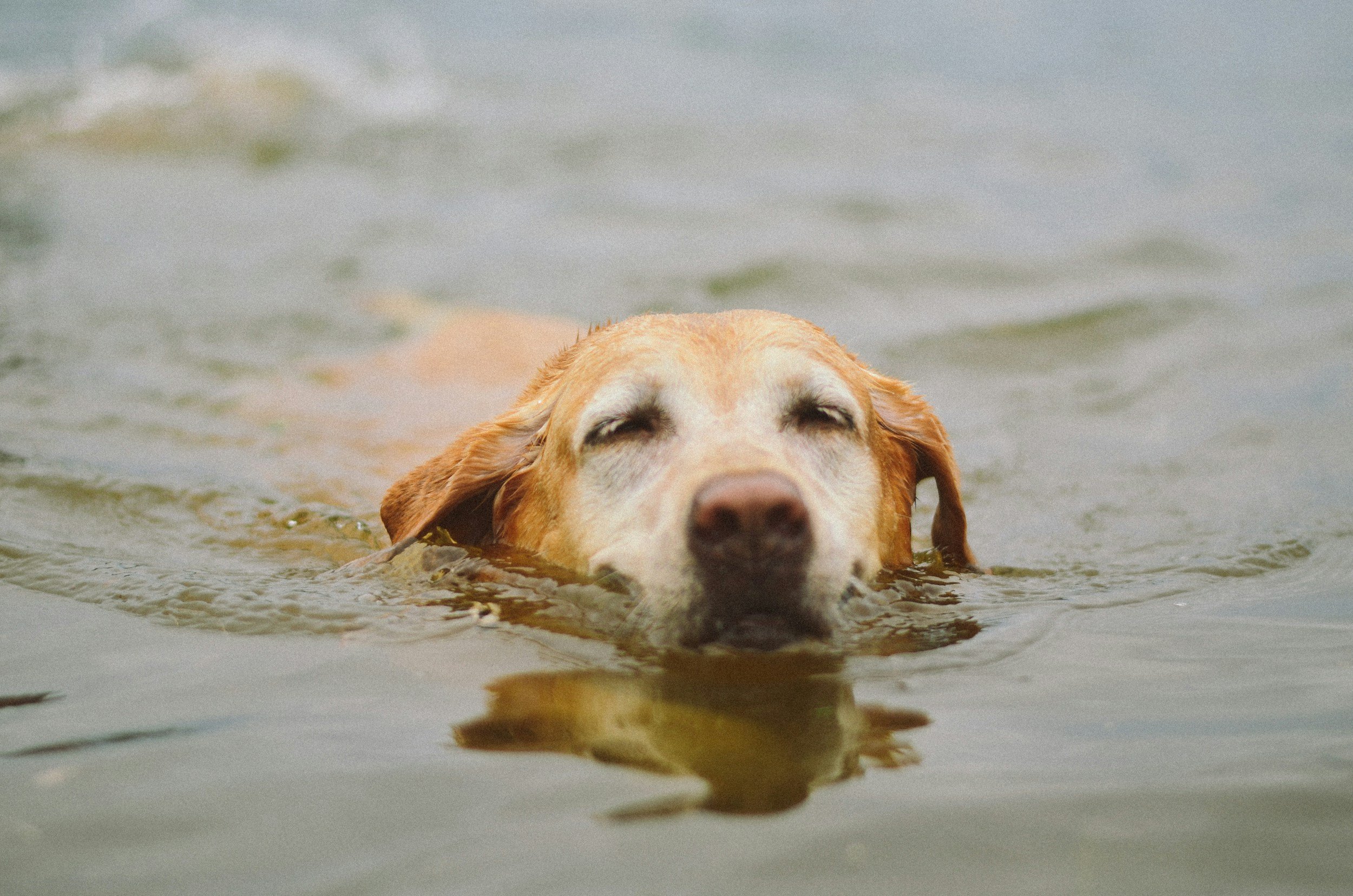
Swimming Is Not a Bath
We hear this all the time at Dirty Dog, and we're not judging — it makes sense on the surface. Your dog got wet. They were moving around. Things got rinsed off. That's basically a bath, right?
It's not. Not even close.
When your dog swims in a creek, lake, or river, they're moving through water that contains bacteria, parasites, algae, wildlife waste, agricultural runoff, and sediment. When they get out, all of that is sitting in their coat. And because dogs groom themselves, what's on their coat ends up in their mouth. A proper bath after every swim isn't optional — it's just good dog ownership, the same way you'd shower after a lake day.
Here's what you're actually rinsing off:
Blue-Green Algae — The Austin-Specific Risk
This one is serious and it's local. Since 2019, six dogs in Austin have died from toxins attributed to blue-green algae in the city's waterways. The bacteria — technically called cyanobacteria — looks like dark green or bluish-green slimy patches on the water's surface, but the toxins can be present even when the water looks completely clear.
The part that catches most owners off guard: dogs that swim in contaminated water and then lick their fur are at risk of ingesting the toxins — even if they never drank directly from the water. There is no antitoxin. There is no cure. Exposure can cause liver failure, neurological damage, and death.
After heavy rainfall, which washes algae-producing nutrients like phosphorus and nitrogen into waterways, it's advisable to avoid contact with urban creeks for about a week to let bacteria levels settle. Given how much rain Austin has seen this year, that's worth keeping in mind.
What to look for before letting your dog in: foamy water, visible green or blue-green film on the surface, or a scummy texture. When in doubt, don't go in.
Leptospirosis — The One That Hides
Leptospira bacteria can be found in rivers, lakes, streams, and slow-moving water. Dogs typically become infected when their mucous membranes or skin wounds come into contact with contaminated water — which means swimming through it is enough. The bacteria is spread primarily through the urine of infected wildlife, including the raccoons, deer, and rodents that share Austin's greenbelt with your dog.
Texas's warm, wet climate makes it a higher-risk environment, and cases occur more frequently during periods of high rainfall and flooding. Symptoms — fever, lethargy, vomiting, muscle pain — can take days to appear, which means owners often don't connect it to the swim.
The good news: there's a vaccine. If your dog spends time in natural water, ask your vet about the leptospirosis vaccine at your next visit.
Giardia — Already Familiar, Still Worth Mentioning
Giardia is a microscopic parasite familiar to many dog owners. It can be contracted by drinking water contaminated with feces — making creek and river water high-risk areas. Dogs swallow water while swimming whether they mean to or not, and Giardia is one of the most common waterborne illnesses vets treat in dogs who spend time outdoors in Austin.
Ear Infections — The Sneaky One
This is the one that shows up two weeks later and owners can't figure out why. Dog ears are a perfect breeding ground for yeast and bacteria that thrive in dark, moist environments. Cleaning and drying your dog's ears after a swim can significantly reduce the chance of infection.
Untreated ear infections are painful, and when dogs scratch they can cause broken blood vessels in the ear flaps and swelling. Left untreated, severe inflammation can damage or rupture the ear drum.
The fix is simple: dry the ears thoroughly after every swim. If your dog is prone to ear infections, ask your vet about a drying ear cleaner to use after water exposure.
Exhaustion and Secondary Drowning — Yes, Even in Creeks
Dogs don't have an off switch. Exhaustion is the most common cause of drowning in dogs. Some dogs will continue to play and swim until they are no longer capable of paddling. Watch your dog's energy level and pull them out for breaks — especially in July heat, when the air temperature is working against them even when they're in the water.
Secondary drowning occurs when a dog survives a submersion but residual water remains trapped in the lungs, which can cause pneumonia or respiratory failure hours or even days later. If your dog has been fully submerged, medical attention is necessary even if they seem fine afterward.
Signs to watch for after swimming: persistent coughing, lethargy, labored breathing, or behavior that seems off. If you see any of these, call your vet.
What to Do After Every Swim
The short version:
Rinse the coat thoroughly with clean water before they have a chance to groom themselves
Clean and dry the ears — every time, not just when they seem wet
Give them fresh water to drink during and after — dogs that are thirsty will drink from the creek
Do a full bath within a day or two — a rinse gets the surface, a bath gets what's in the coat
Watch them for 24–48 hours after any swim for signs of illness
Now the Fun Part
We built something to get you and your dog to some of the best swimming spots in Austin this July — spots that are off the beaten path, historically interesting, and worth the trip. It's called Sniff. Seek. Swim. and it runs every Monday in July.
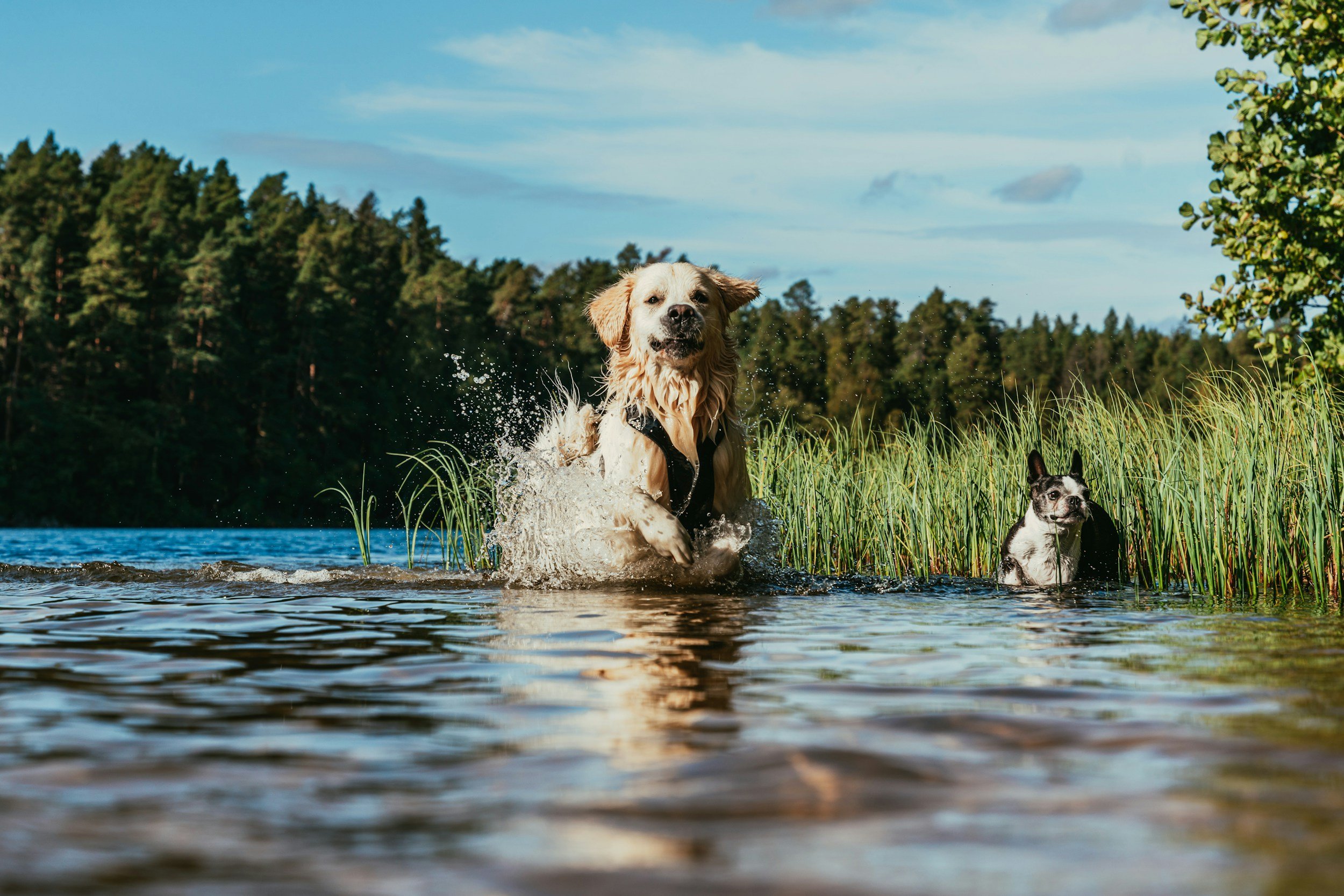
Every week we drop one clue leading to a secret dog-friendly swimming spot somewhere in Austin. Solve it or use the coordinates — either way, go find it. Post a photo of your dog there, tag us, and use #SniffSeekSwim, and we'll give you a free self-serve bath to use before the next clue drops. Because after a creek swim, your dog needs one anyway.
👉 Learn how Sniff. Seek. Swim. works
Have a question about post-swim care or want to know what products we use in our self-serve baths? Come talk to us at any of our three Austin locations — Guadalupe, South Lamar, and Mesa.